The reusable coffee cups people keep coming back to. Best-selling KeepCup favourites, chosen for daily coffee runs, commutes and everything in between.

4.6
BESTSELLER
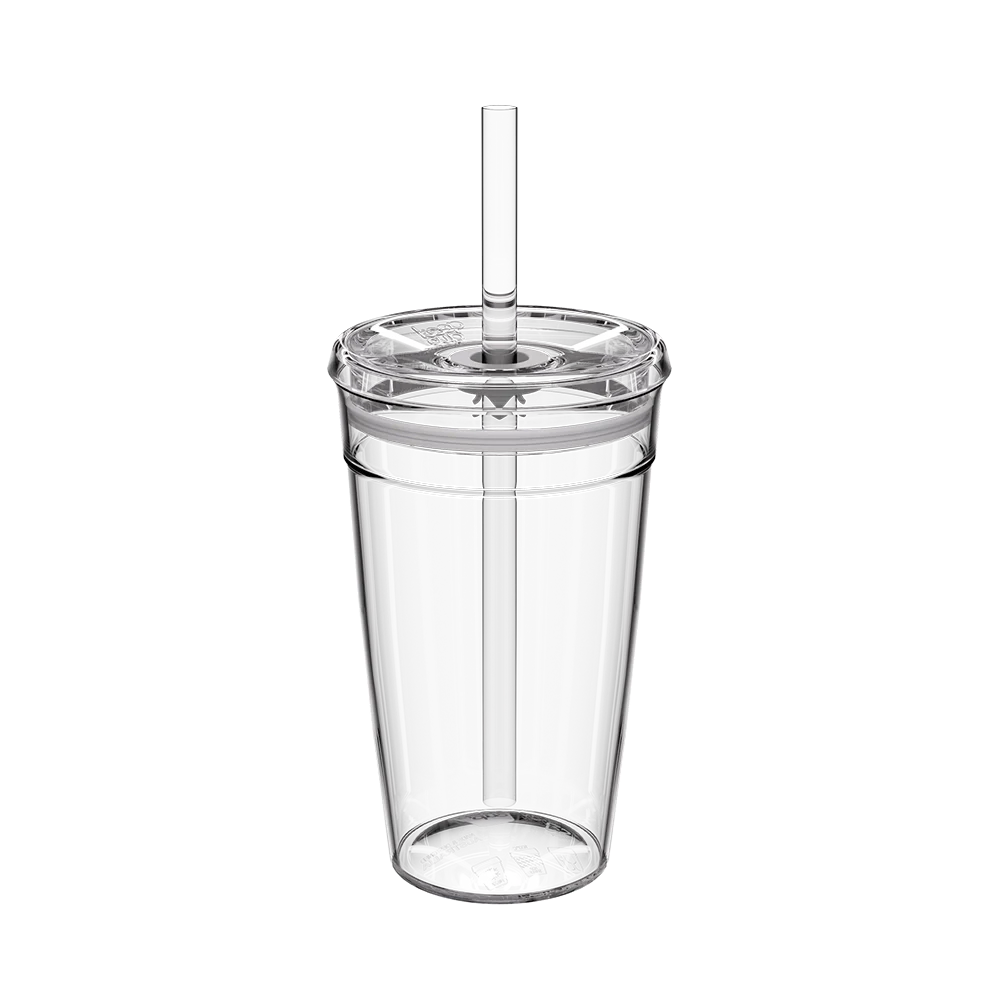
KeepCup Cold Cup Original L 16oz in clear, shown from a front angle against a white background, featuring a transparent reusable cup with secure lid and coffee straw.
4.6
BESTSELLER
12oz Brew Cork Quicksip with a cork band on a transparent background
4.7
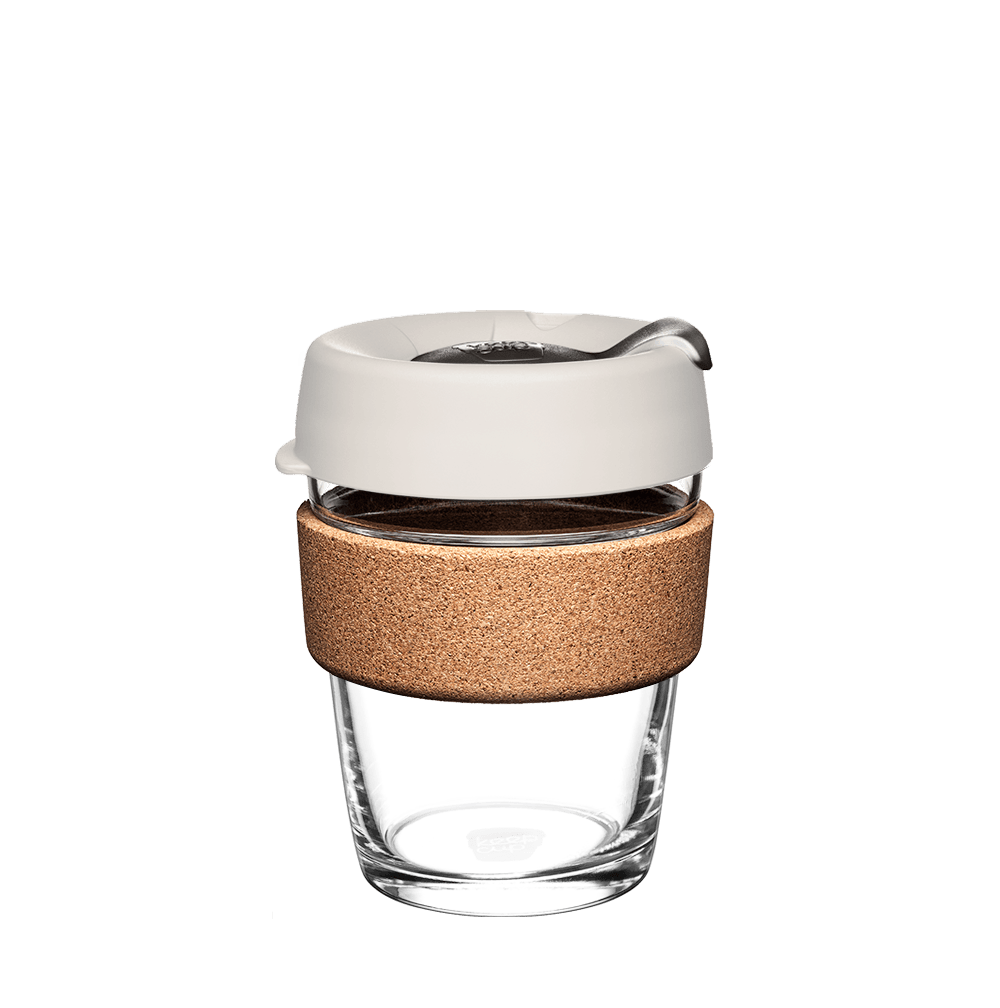
Brew Cork Glass Cup - 12oz | Filter
4.6
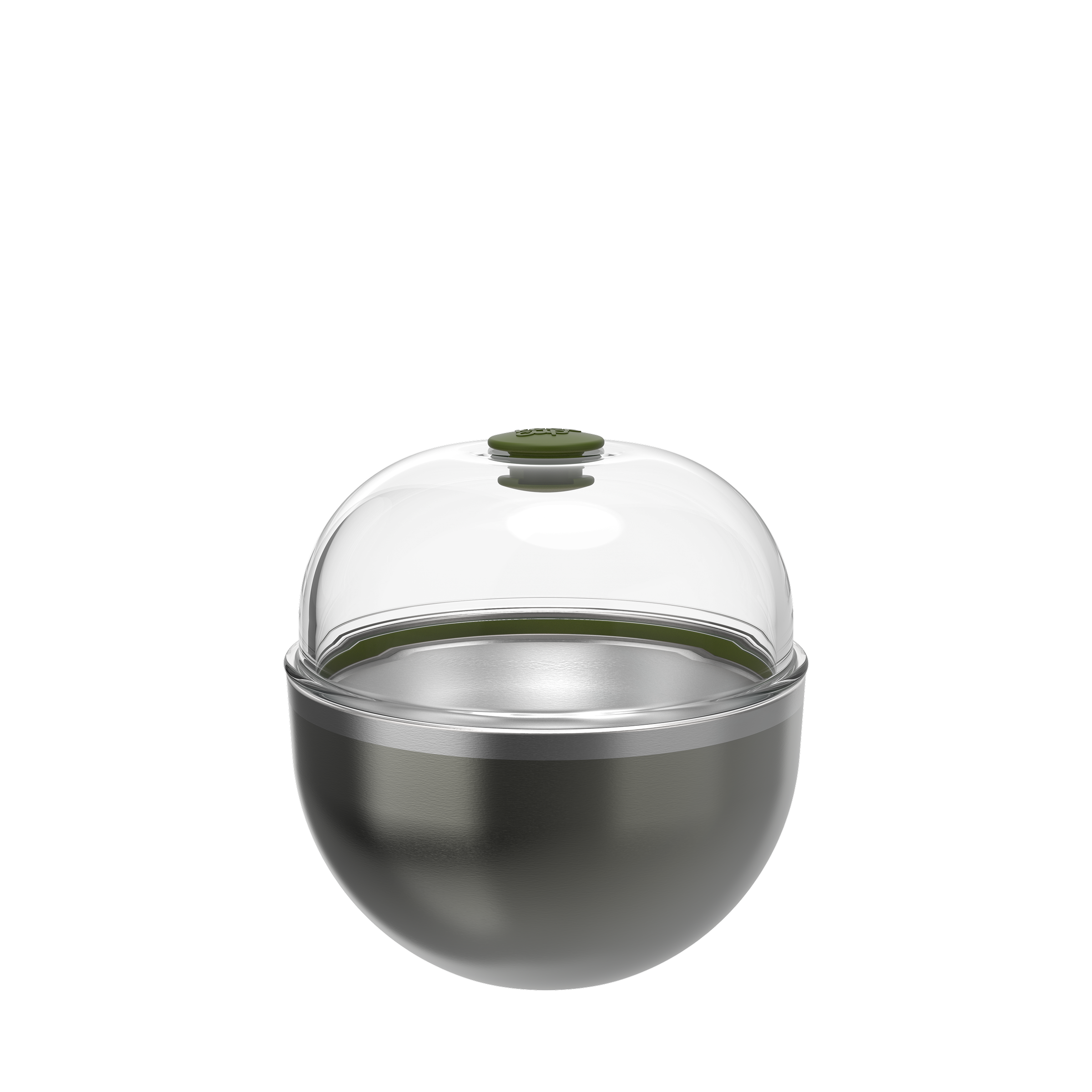
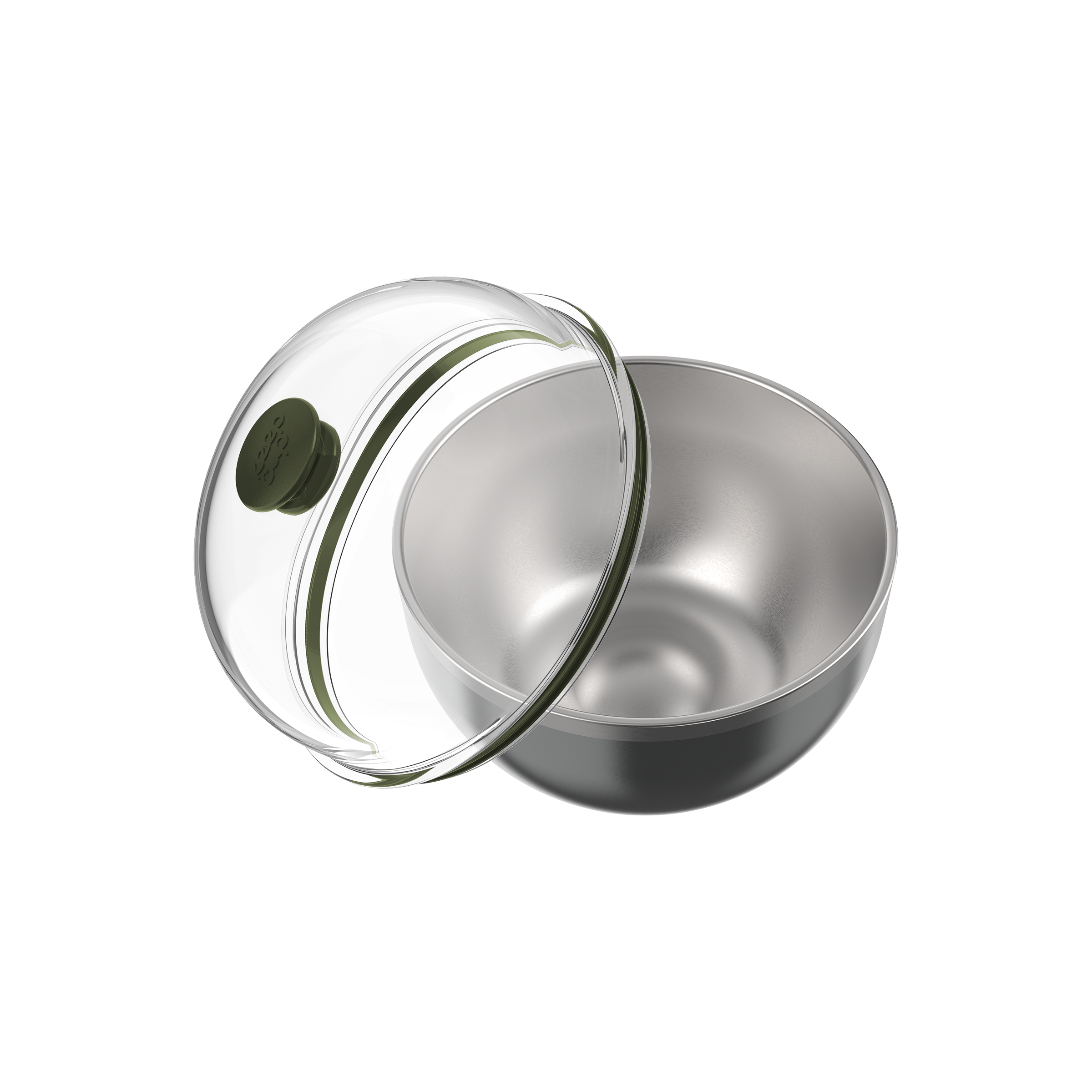
KeepCup Go Bowl Luxe in Nitro Pine, featuring a dark metallic stainless steel base with a clear domed lid and pine green silicone knob, shown against a white background.
4.8
LEAKPROOF
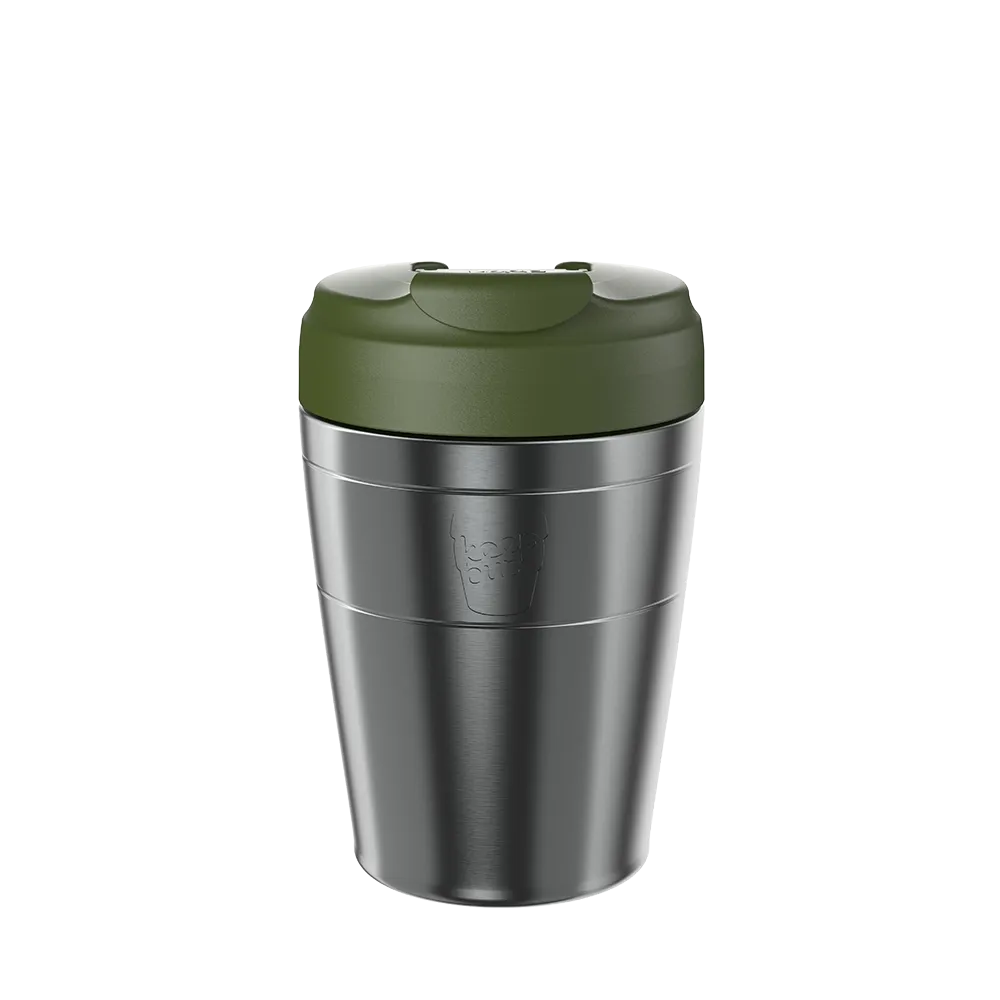
KeepCup Commuter M 12oz in Nitro Pine, featuring a nitro base and pine lid with flip-top opening, shown against a plain white background.
4.6
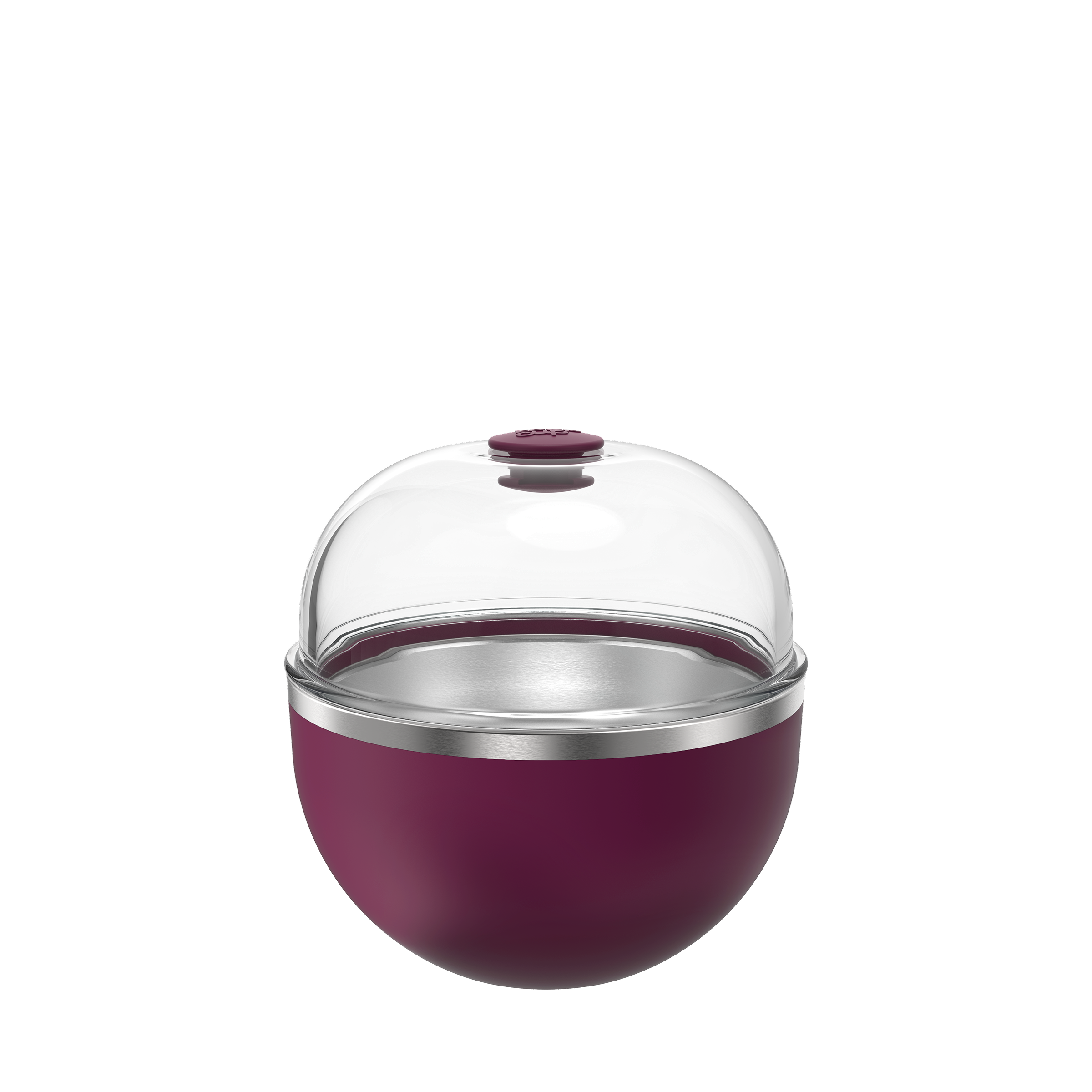
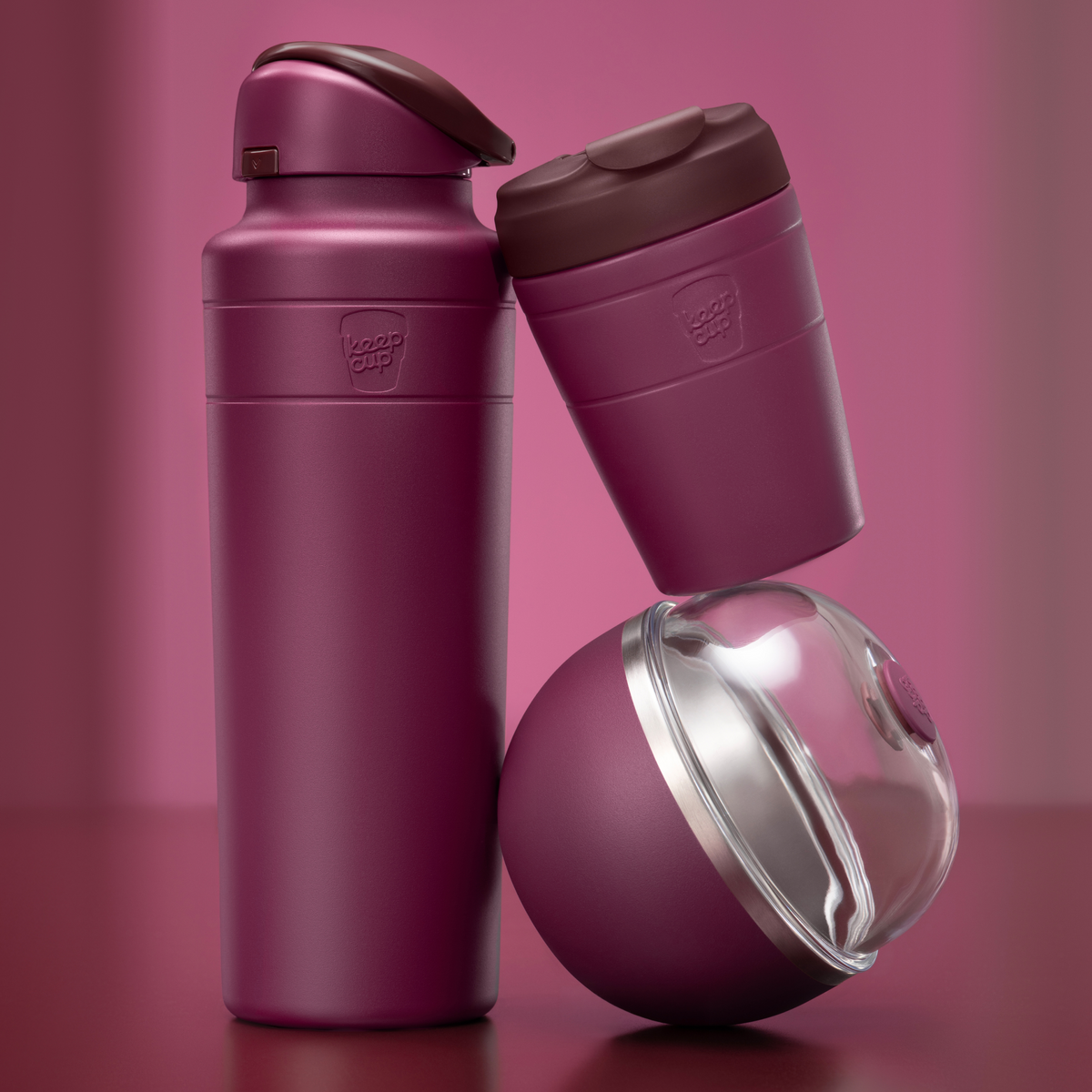
KeepCup Go Bowl Luxe with Dome Lid in Mulberry, featuring a deep plum-coloured stainless steel base with silver rim and clear domed lid with matching Mulberry press-fit closure, shown against a white background.
4.8
LEAKPROOF
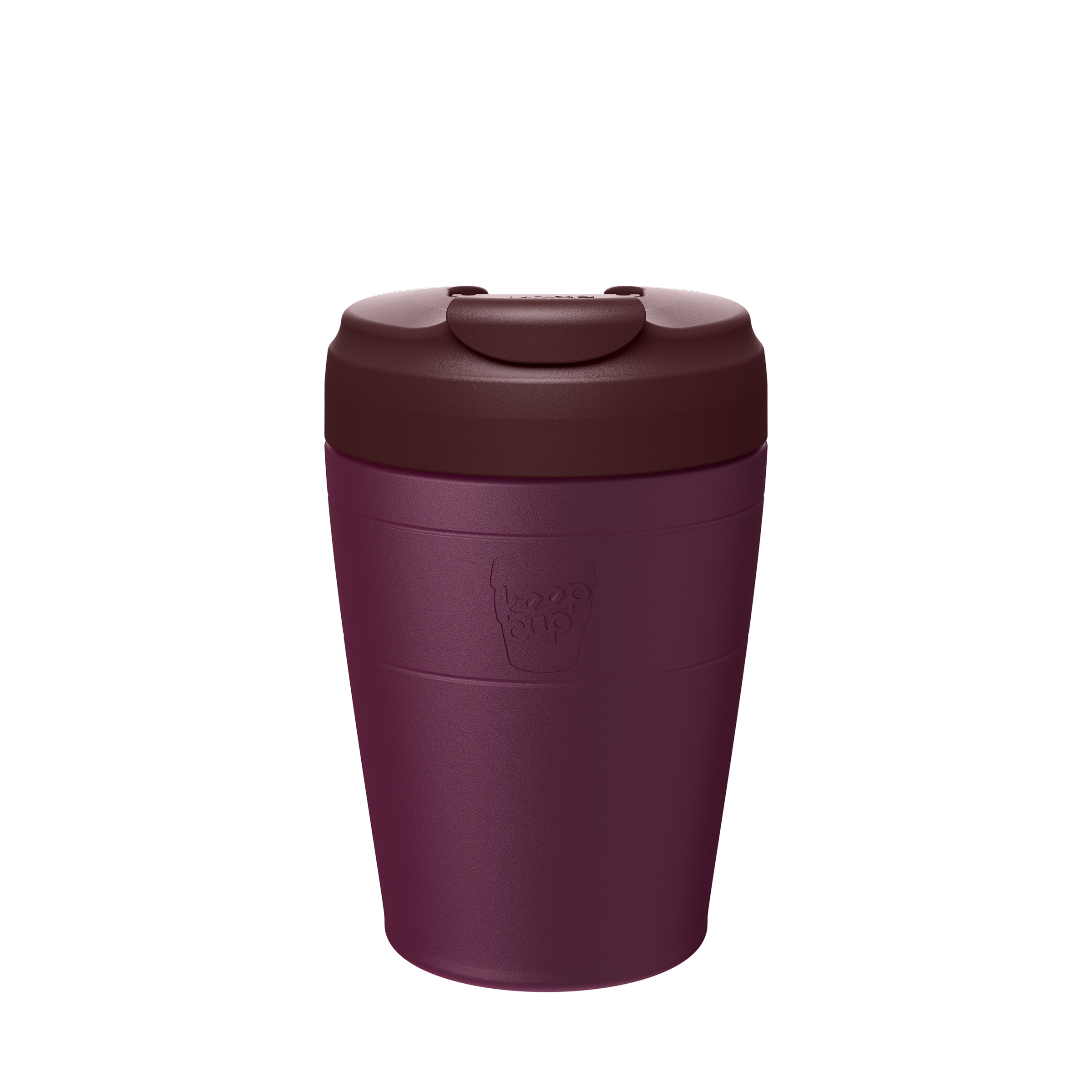
Commuter - 12oz | Mulberry
4.8
BESTSELLER
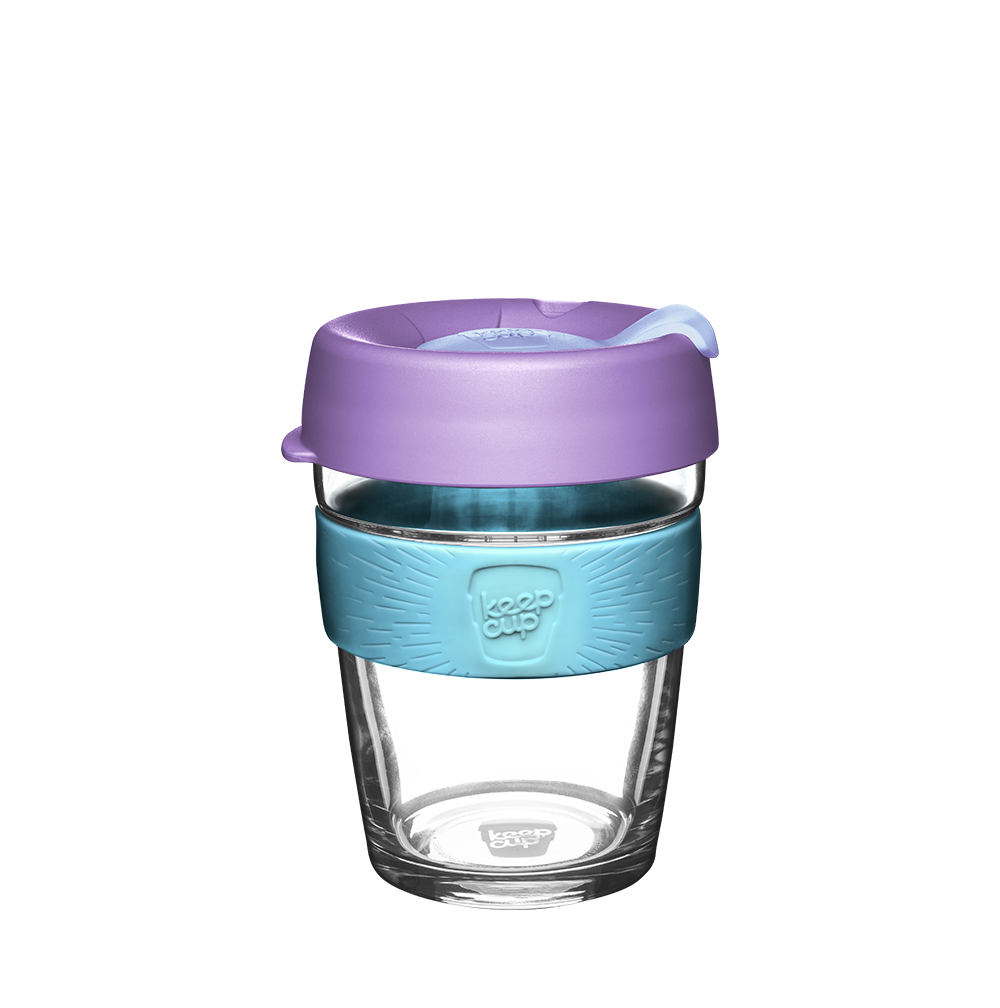
Brew in Moonlight with a Lilac Lid and cloudband on a white background
4.7
BESTSELLER
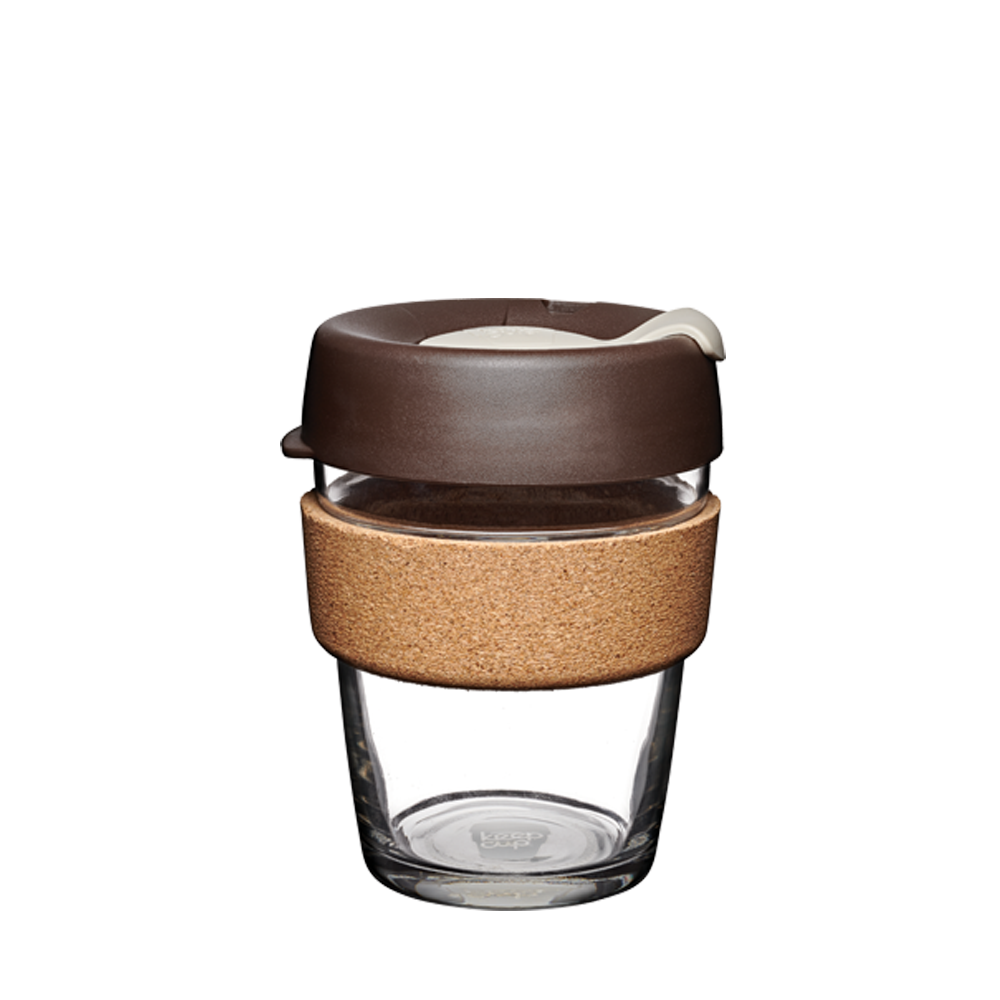
KeepCup Brew Cork M 12oz in Almond, featuring a clear glass cup with natural cork band and force lid with latte coloured plug, shown against a plain white background.
4.8
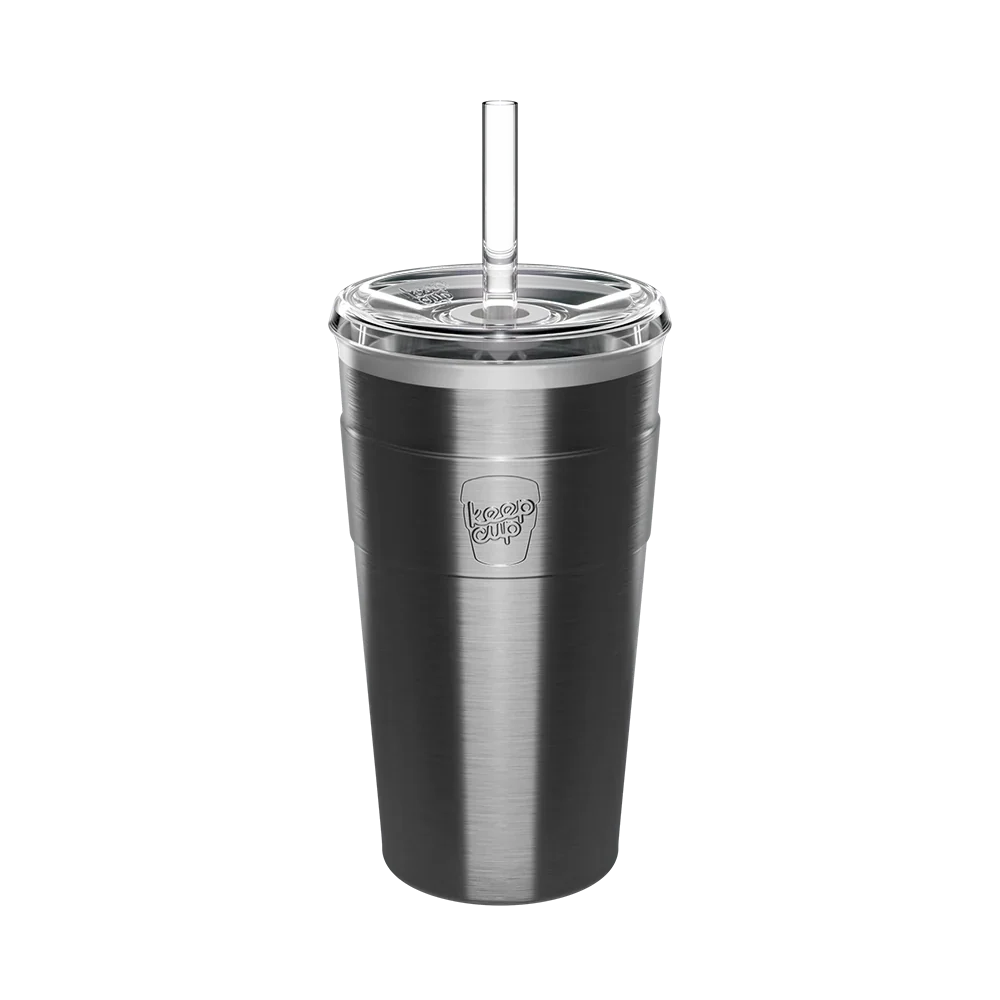
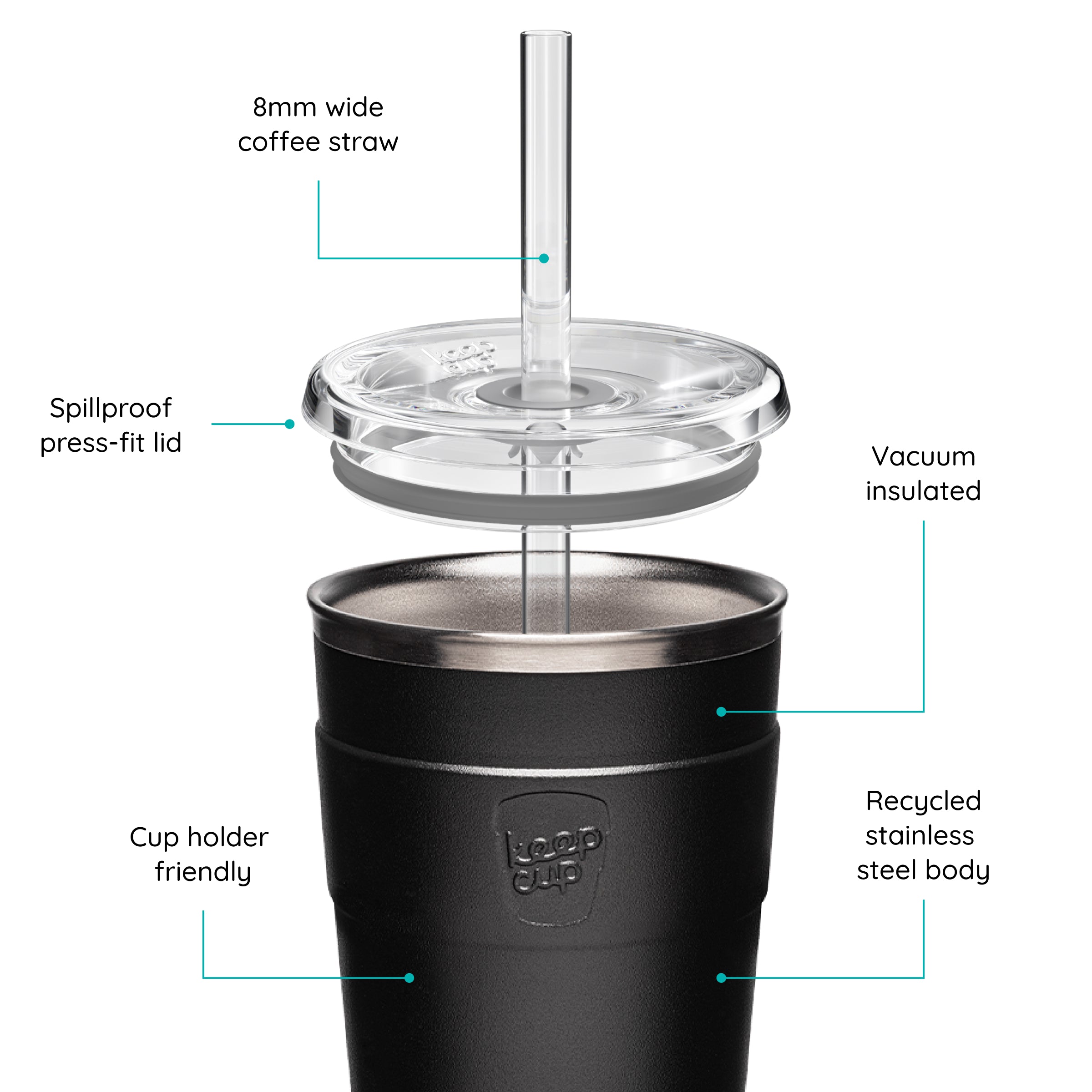
KeepCup Cold Cup Thermal L 16oz in Nitro, a brushed stainless steel reusable cup with clear press-fit lid and transparent straw, shown against a plain white background.
4.8
LEAKPROOF
KeepCup Commuter M 12oz in Black, shown in a front-facing studio shot against a white background, featuring the embossed KeepCup logo on the black cup and matching black lid.
4.6
BESTSELLER
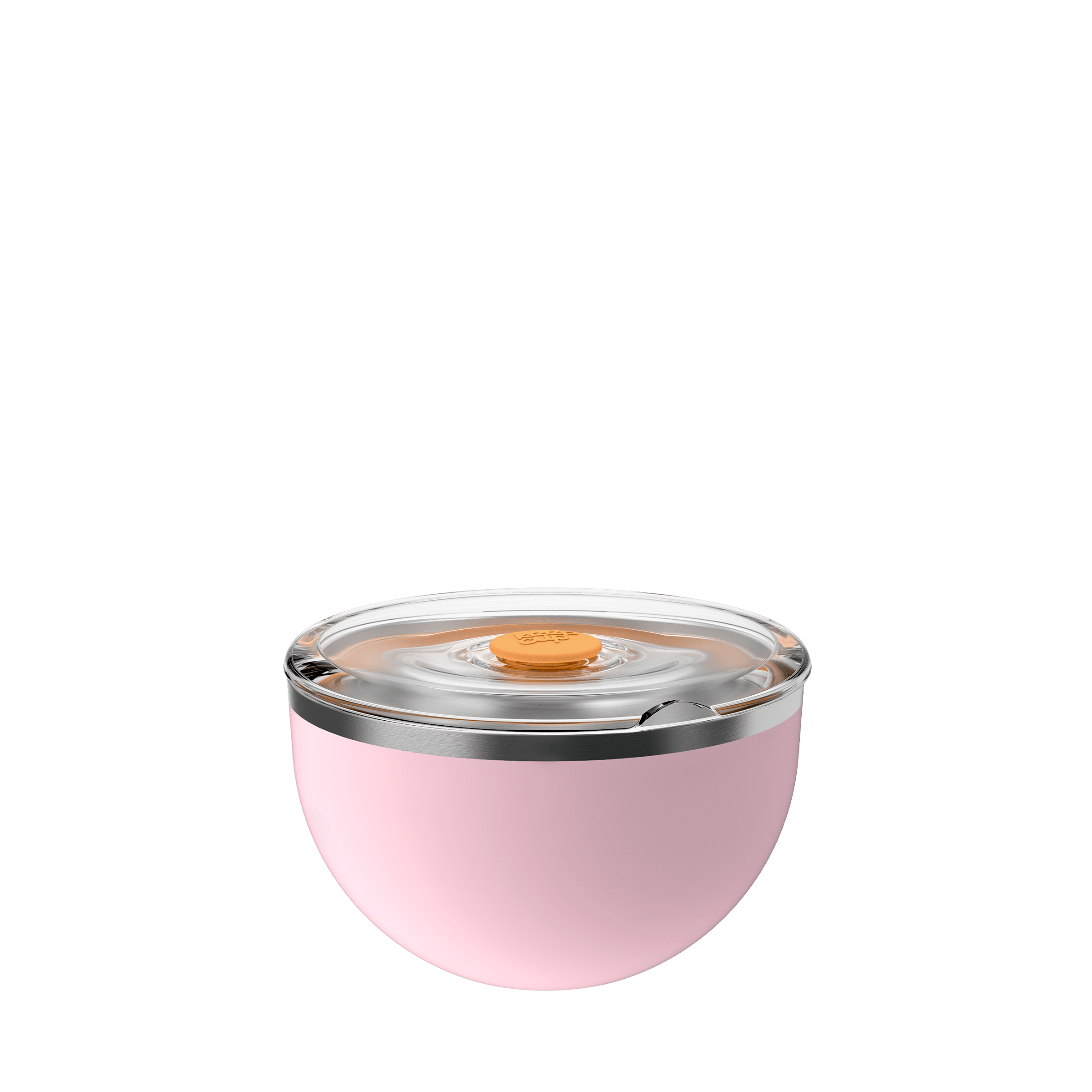
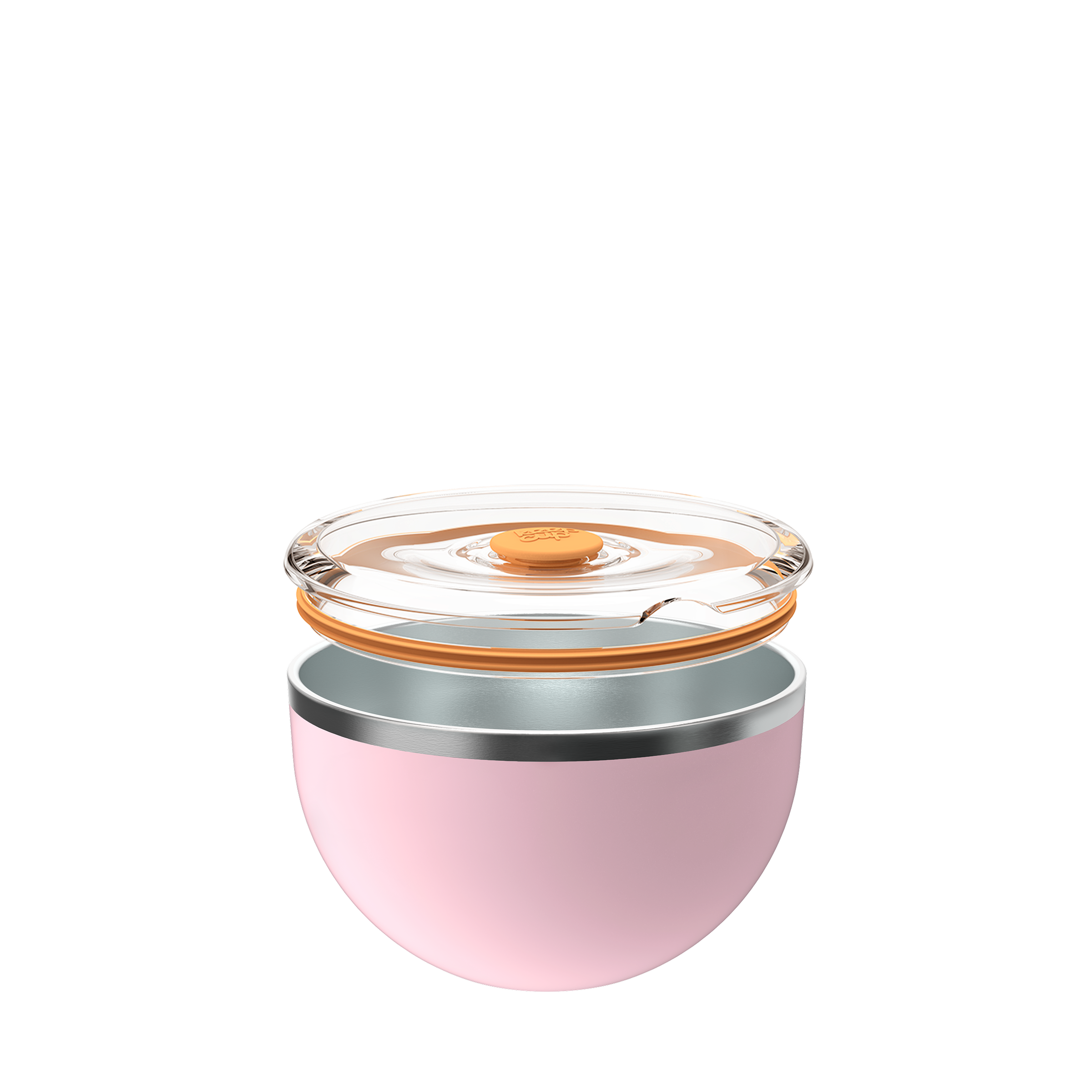
KeepCup Go Bowl Luxe in soft pink with transparent lid and orange press-fit seal, shown from a front angle against a white background.
4.8
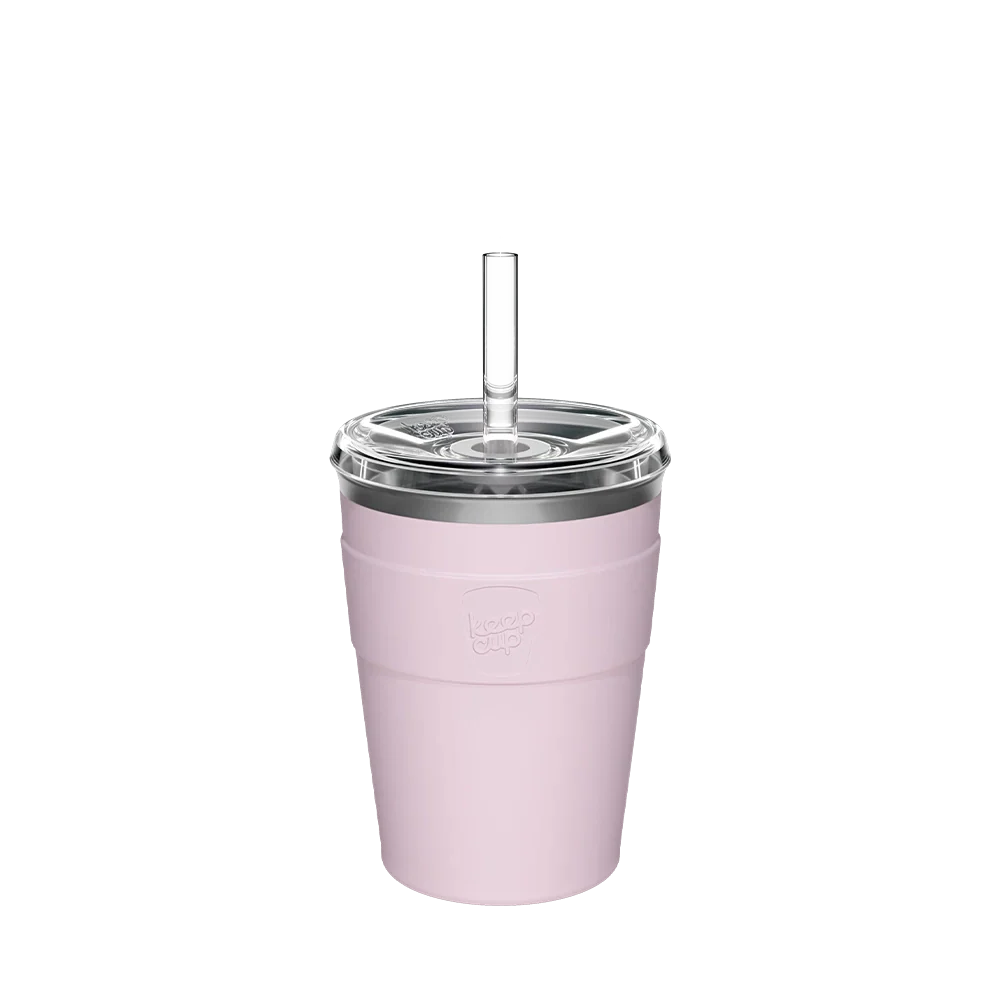
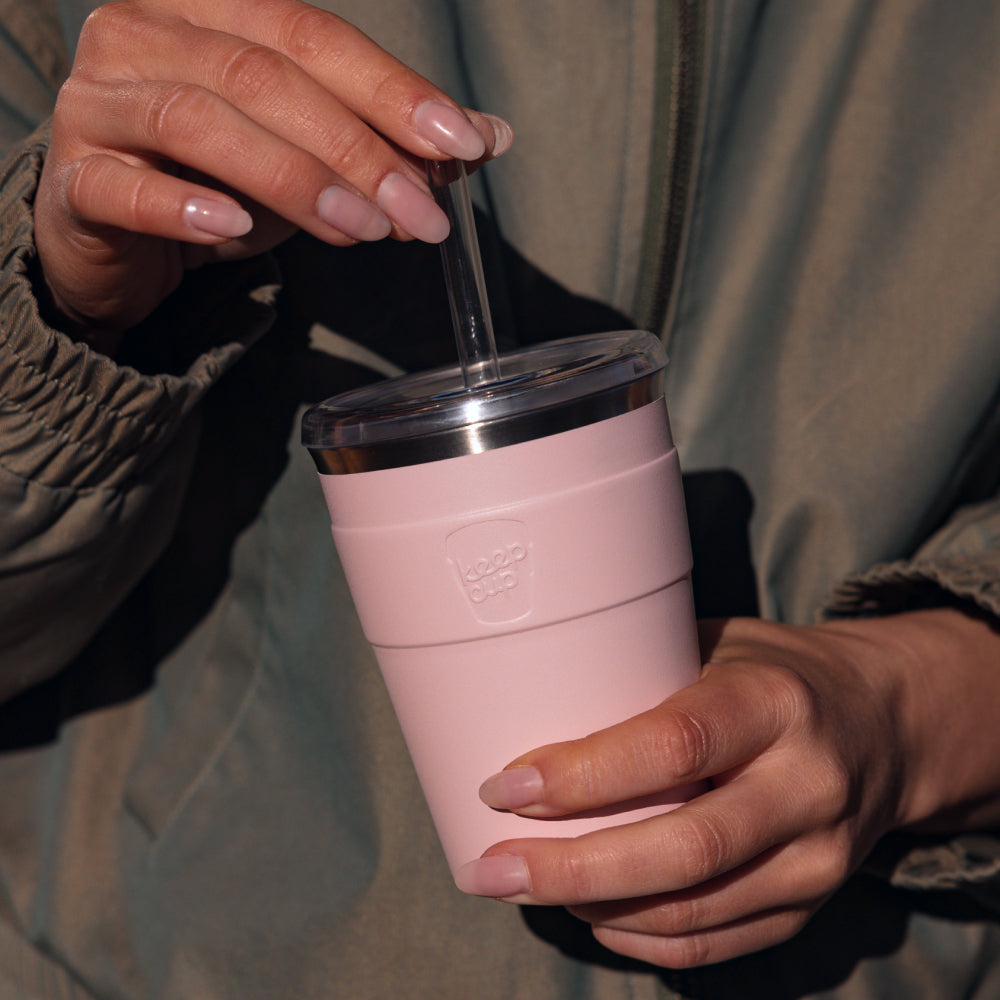
KeepCup Cold Cup Thermal M 12oz in Pashmak Pink, featuring a soft pink insulated cup with clear lid and reusable straw, shown against a white background.
4.0
BESTSELLER
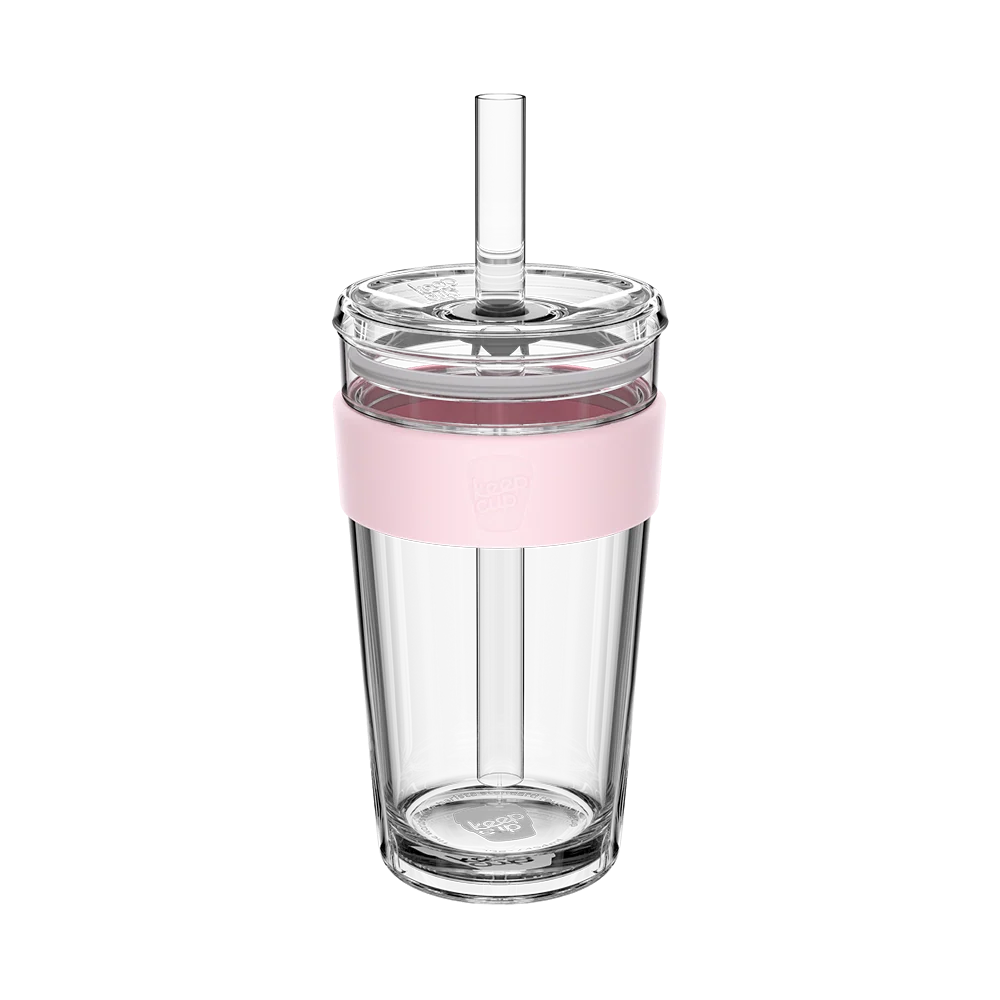
KeepCup Cold Cup Longplay Boba L  16oz in Pashmak Pink with straw on a white background
4.8
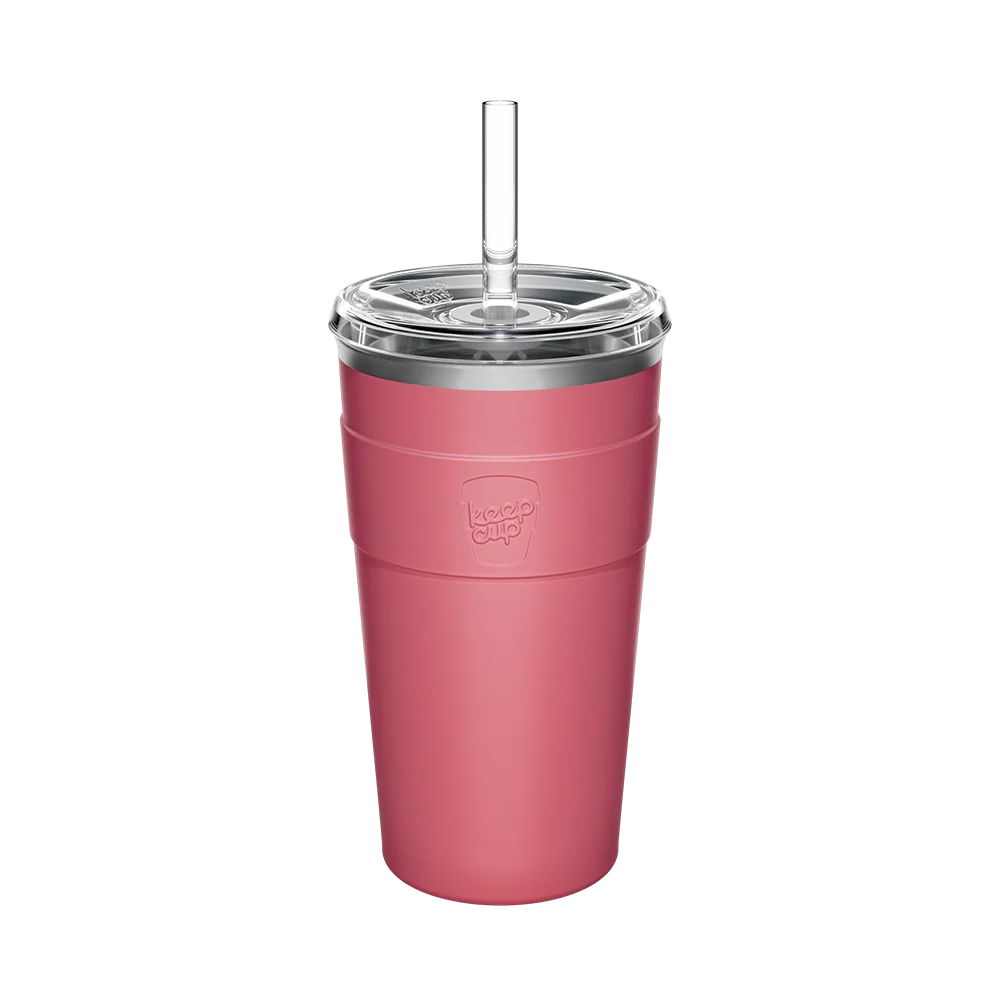
KeepCup Cold Cup Thermal L 16oz in Blush, a dusty pink insulated tumbler with stainless steel rim, clear lid and reusable straw, shown upright against a plain white background.
4.5
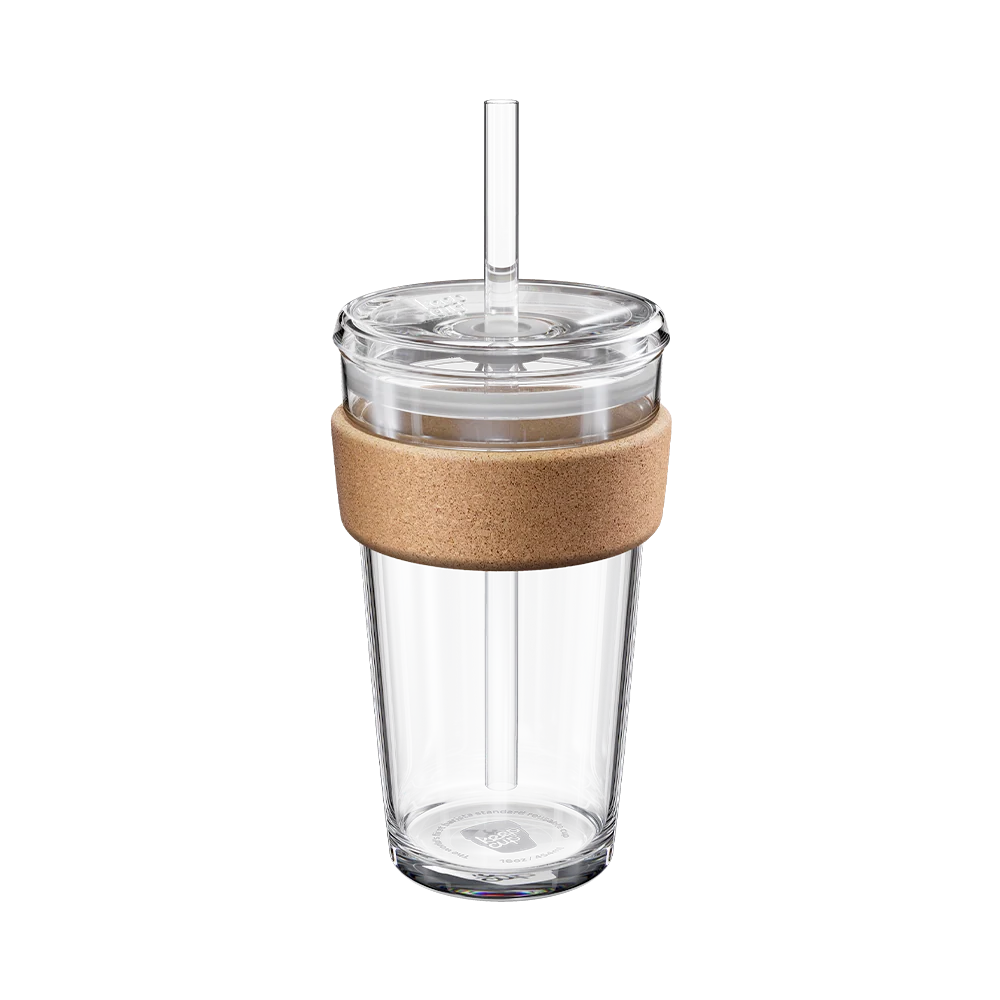
KeepCup Cold Cup Cork L 16oz with Coffee Straw, shown against a white background. The clear reusable cup features a cork band sleeve, transparent lid and straight straw.
4.7
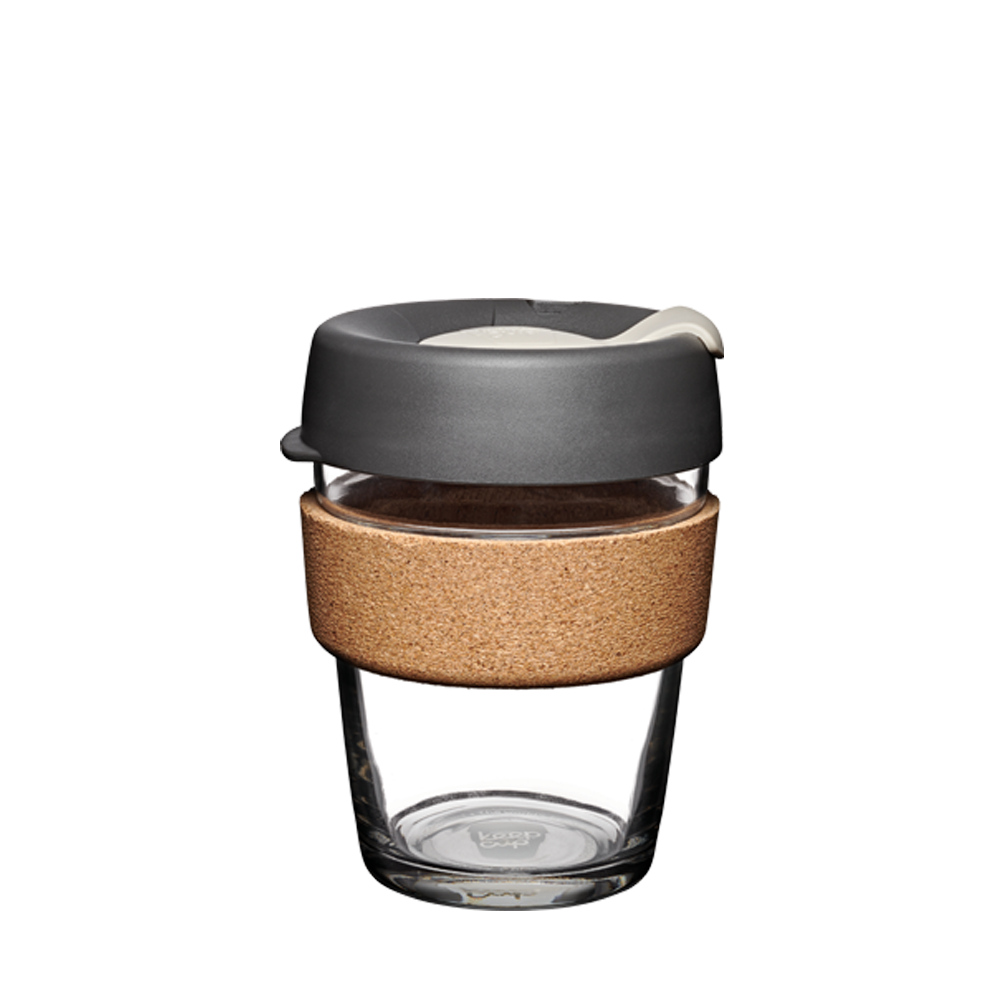
KeepCup Brew Cork M 12oz in Press colourway, shown from a front angle against a white background. The reusable cup features a clear glass body, natural cork band, and soft charcoal lid with latte plug.
What makes KeepCup different on sustainability?

KeepCup designs products to stay in use. Not to be bought, admired and replaced, but to be washed, carried and reached for again tomorrow.

We commissioned an independent peer reviewed Life Cycle Analysis in 2018 to debunk the packaging industry’s claim that washing a reusable cup has a greater environmental impact than single use. It was the first study of its kind, and it found the opposite. Depending on material, a KeepCup beats 1,000 disposable cups in 24 to 66 uses.

  • We started the category, not the trend: KeepCup created the barista-standard reusable cup in 2009 and holds the original patents. Sizes match café pour volumes, so a barista can fill without guesswork or waste.
  • We design for reuse, not for replacement: Every part can be bought individually. A worn seal shouldn’t cost you a cup.
  • We think the washing-up is the point: Loan schemes, return logistics and tracking systems exist to engineer away one small act — rinsing your own cup. Owning something and caring for it is not an inconvenience to be solved.
  • We don’t think reuse needs a reward: Bringing your own cup is a decision you made for you. The good deed is its own reward.

Made by a certified B Corp that gives 1% of global revenue to environmental causes. A reusable cup only makes a difference when it becomes part of everyday life — and that is the whole design brief.

Do I get a discount for bringing my own cup?

Sometimes, but it’s each café’s call, and we’d gently argue it’s the wrong way to think about it.

A café still has to stock single-use cups for the customer who forgets, the tourist, the 8:15am queue. That inventory doesn’t disappear because you brought a KeepCup, so the café hasn’t saved money, and reuse can actually slow service at peak times.

Bringing your own cup is a decision you made for you: less landfill, better coffee, a more pleasurable drink. The good deed is its own reward. The moment it needs compensating, it stops being a value and becomes a transaction, and a poor one for the café, discounting a customer while still carrying full inventory costs.

If a café runs a loyalty perk, brilliant, that’s theirs to offer. But bringing your own cup isn’t an entitlement to money off.

Why do cafes and roasters choose KeepCup?

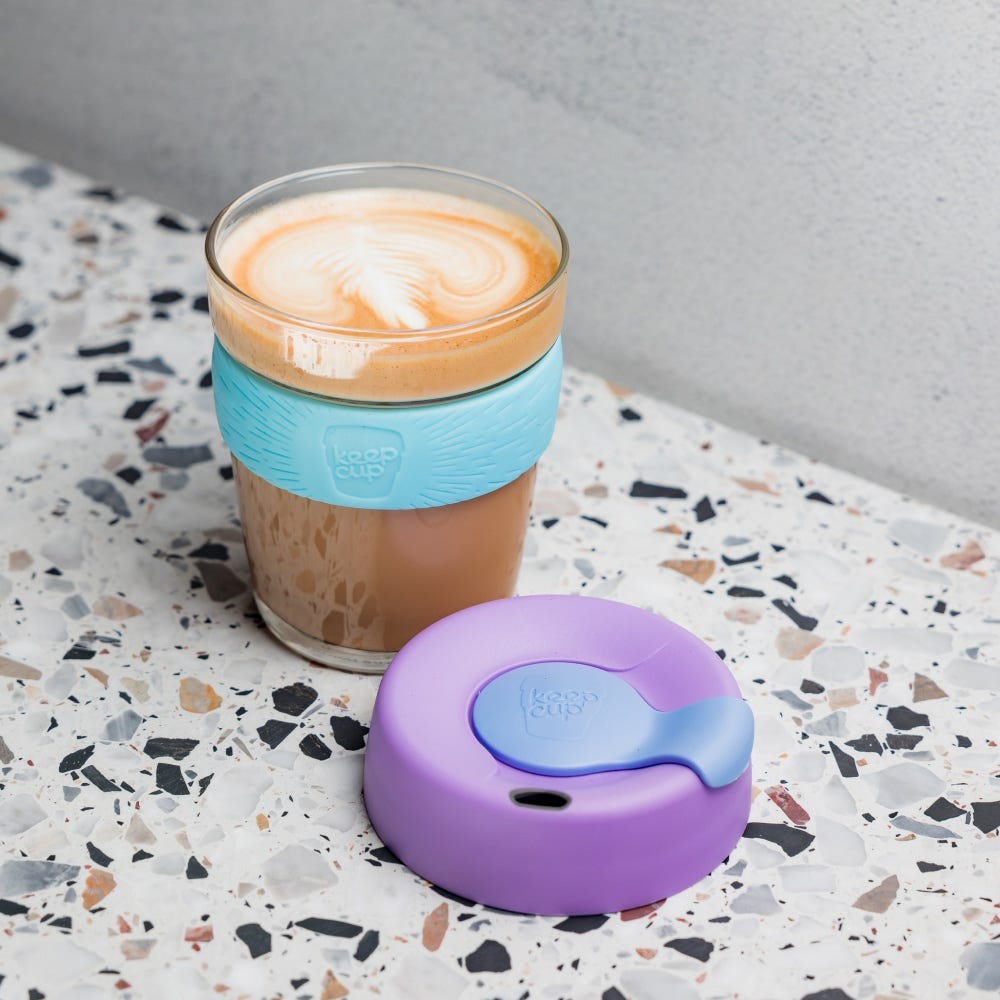
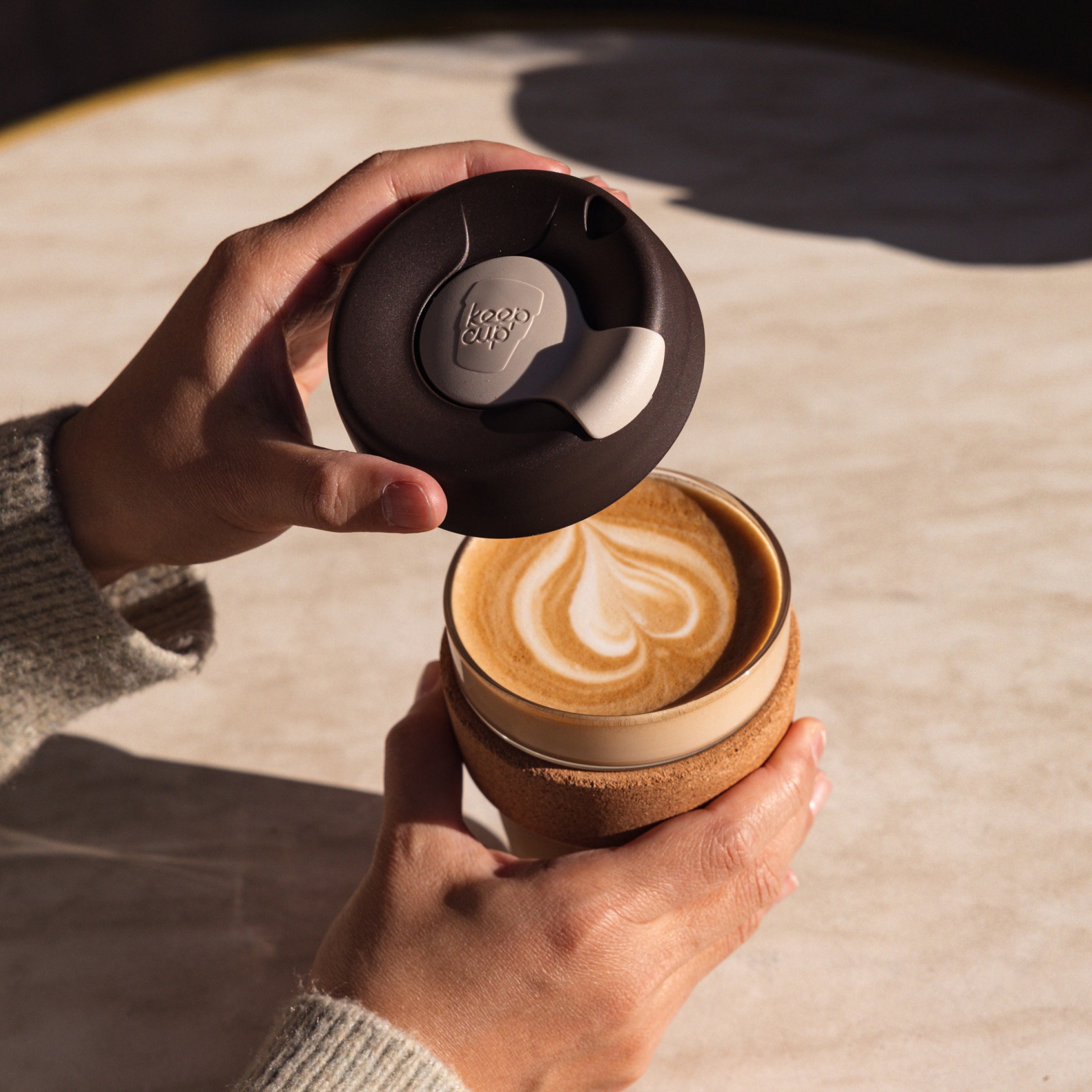
KeepCup was designed around the way baristas make and serve coffee. The clear body keeps the pour visible, from the colour and crema to the moment the drink is ready. The press-fit lid sits above the surface instead of dragging across it, helping the crema reach the customer intact.

The proportions follow real coffee orders — flat whites, lattes and long blacks — rather than fast-food cup sizing. The shape supports a clean pour without drips down the side or the need to repour.

That relationship with specialty coffee goes back to the beginning, and it is why cafés like Prufrock Coffee put a considered cup in a customer’s hands rather than whatever the wholesaler sent.

The plastic range is Australian-designed and made in the UK, hand-assembled here since 2011 by an accredited Living Wage employer.

It is a reusable cup made for the people behind the coffee machine as much as the person carrying it.

How long does delivery take in the UK?

We ship UK-wide, with standard and express options at checkout. Orders placed on a working day are usually dispatched the same or next working day, and you’ll get tracking by email once your order ships.

Delivery estimates come from our carrier and can run longer to the Scottish Highlands and Islands, Northern Ireland, the Isle of Man and the Channel Islands, or during sale periods.

For current rates, delivery timeframes, free delivery thresholds and international options, see our shipping policy.

Why doesn’t KeepCup support cup loan and return schemes?

Look at how much energy goes into solving the “problem” of a reusable cup. Loan schemes. Return logistics. Commercial dishwashing infrastructure. Composting machines. Tracking systems to make sure the cup comes back. All of it engineered to remove one small inconvenience: washing a cup yourself.

Meanwhile the actual answer — sit in and enjoy it, or own a cup, rinse it, carry it — barely registers as innovation, because it isn’t one. It’s just a choice.

This is the Clothesline Paradox. You can measure a dryer’s energy use down to the kilowatt hour. Hang the same load on a line and the saving vanishes from the ledger, not because it isn’t real, but because nothing was consumed to make it happen. We measure activity, not absence. So the disposable cup avoided, the system not built, the thing not needed at all, disappears from the accounting even when it’s the better outcome by every measure that matters.

Our answer is a cup you own and keep owning. Modular, so a worn seal costs you a seal rather than a cup. Electropolished steel and tempered glass, so it doesn’t taint and doesn’t need replacing. Dishwasher safe, because the washing-up was never the hard part.

The lowest-impact choice is very often the one that looks like nothing happened. A cup washed and reused a thousand times doesn’t generate a satisfying chart. It just quietly outperforms everything built to replace it.

Do reusable cups actually make a difference?

Yes, and we paid to find out rather than assuming. Our independent peer reviewed 2018 Life Cycle Analysis was commissioned to test the packaging industry’s claim that washing a reusable cup is worse than throwing one away. It found the opposite. Depending on material, a KeepCup beats the impact of 1,000 disposable cups in 24 to 66 uses: 24 for tempered glass, 66 for insulated steel. Our plastic range gets there faster still, because there is enough plastic in 20 disposable cups and lids to make one reusable KeepCup.

The harder question is whether any of it counts. At the 2018 climate rally our founder saw a poster reading “KeepCups won’t save the world.” Fair. And oof.

It was a warning worth hearing. The carbon footprint was coined by an advertising agency in 2004 for BP’s “Beyond Petroleum” campaign, to move responsibility for carbon pollution from oil companies onto individuals. Convenience is a strategic pillar of that industry. The irony of drinking from a reusable cup while nation states set oil refineries on fire is not lost on us.

But companies, cultures and systems are still made up of individual people. Every part of a KeepCup is replaceable so the cup stays in use for years, not seasons, because the only cup that makes a difference is the one you keep reaching for. It’s a small lever. Small levers, pulled by enough people, are how a 400-year-old tree gets to stay standing.

What’s wrong with disposable coffee cups?

A disposable cup looks like nothing. Paperboard, a plastic lining, gone in twenty minutes. Trace it back far enough and it starts somewhere much bigger than a bin: a forest that took decades or centuries to grow, cut down to make something that lasted the length of a coffee.

Virgin wood fibre is what makes a takeaway cup work. Food-contact paperboard needs long, strong fibres, which is why disposable cups lean on freshly logged trees rather than recycled stock. That demand lands on forests — and a logged natural forest is rarely replaced by another natural forest. It becomes a single-species plantation. A plantation can grow timber. It cannot grow the layered, thousand-species complexity of what it replaced.

“Renewable” is doing a lot of quiet work here. A tree can be replanted, but a 400-year-old tree is not a renewable resource in any meaningful sense. Replacing it means waiting 400 years, and a changing climate means that clock may never restart the same way twice. It is closer to demolishing a cathedral to build a shed.

Biodiversity is the part that does not come back. Ancient woodland covers only a small fraction of the UK, and once it is gone the soil, fungal networks and species that depended on it go with it. Intact forest is also a carbon bank: degrade it and you release what it was holding, which makes the next season worse.

This is why KeepCup exists. The maths on disposables never worked — not economically, not environmentally, and not when you follow the supply chain back to where the fibre came from. Our independent peer reviewed 2018 Life Cycle Analysis put numbers to it. Every reusable cup in circulation is one less disposable cup demanding fibre from somewhere.

What are the newest KeepCup designs and colours this season?

KeepCup’s latest arrivals feature bold new colourways inspired by urban wanderings and natural tones. Each collection refreshes your daily brew with limited-edition hues made from durable, sustainable materials — designed to brighten your everyday coffee ritual. Our most popular colours this season include Pashmak Pink, Cloud Blue and the perennial favourite Nitro.