

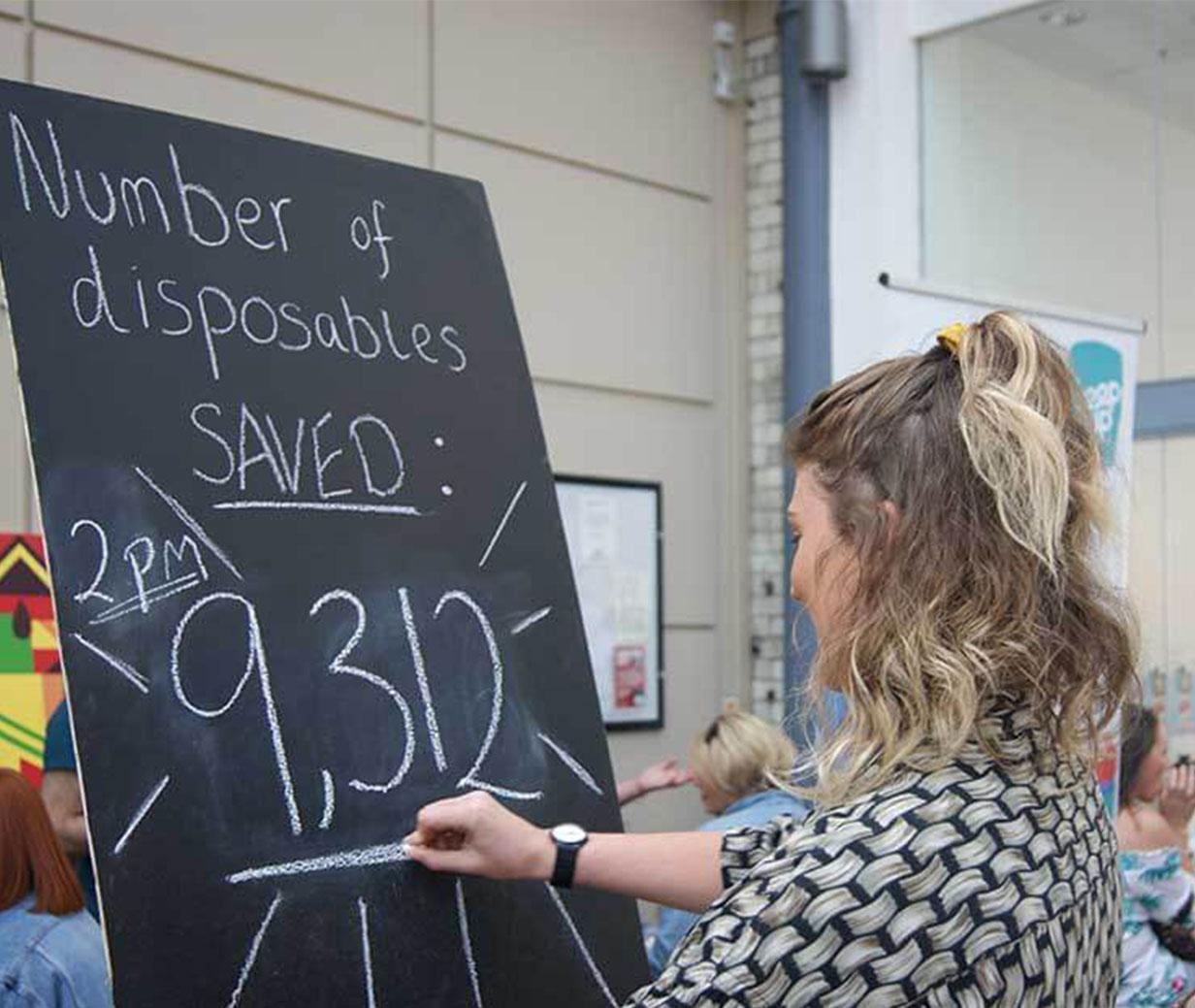
The Glasgow Coffee Festival has grown from a regional gathering into one of Europe's most thoughtful specialty coffee events. KeepCup has been a long-time partner of the festival and the broader UK specialty coffee community, and the festival is a useful case study in what cultural infrastructure for reuse looks like when it works.
This is what the festival's reuse program does, what makes specialty coffee festivals an unusually good environment for reuse adoption, and what other event organisers can take from it.
What the Festival Does
The Glasgow Coffee Festival operates a comprehensive reuse program across its multi-day program. Disposable cups are not available at the festival. Attendees either bring their own reusable, or use the festival's deposit-based reusable cup system. Cups are returned at the end of each session for industrial washing and re-issue.
The system is operationally invisible. Attendees pay a small deposit on first use, receive the deposit back when the cup is returned, and don't have to think about disposable waste because it isn't an option.
Why It Works at Specialty Coffee Festivals
Specialty coffee festivals are unusually well-suited to reuse programs for three reasons:
- The audience is values-aligned. Specialty coffee attendees are typically already engaged with sustainability messaging. The friction of switching to reuse is lower than at a generic consumer event.
- The vendors are values-aligned. Roasters and café operators in the specialty space are typically already running reuse programs at their own venues. The festival is an extension of practice, not an imposition.
- The format supports it. Festivals are time-limited and geographically contained. Wash logistics, deposit returns and cup distribution are operationally tractable in ways they aren't across a city-wide café estate.
KeepCup at Glasgow
KeepCup's presence at Glasgow Coffee Festival has typically included co-branded festival cups for attendees, replacement parts for the festival's cup pool, and participation in panel discussions on reuse, design and the future of specialty coffee.
The festival is also where many of our customer conversations happen. Specialty coffee professionals who carry KeepCups across their working lives — baristas, roasters, importers, café operators — gather at the festival, and the feedback loops on product, packaging and service are unusually rich.
What Other Festival Organisers Should Take
Five operational learnings transferable to other festivals and events:
1. Don't Offer Disposables as a Backup
The single biggest determinant of reuse program success is removing the disposable option entirely. Where disposables are available alongside reusables, the disposable share rapidly grows. Where reusable is the only option, customers adapt within minutes.
2. Deposit-Based Systems Work
A small deposit (typically returned at the end of use) creates economic alignment without significant cost or complexity. Customers return the cups because they want their deposit back.
3. Centralised Wash Logistics
Festival reuse depends on a working wash system. Multiple cup return points, central commercial dishwashing, and rapid turnaround. Without this, the cup pool runs out and the program collapses.
4. Communicate the System Upfront
Attendees who understand the system at entry adapt quickly. Attendees confronted with the system at their first coffee transaction get frustrated. Pre-event communication and clear at-entry signage matter.
5. Partner with a Cup Manufacturer
Festival-branded cups co-designed with a quality manufacturer outperform generic alternatives on durability, customer experience and post-festival use. KeepCup runs custom programs supporting festival partnerships.
The Broader Significance
Festivals are cultural infrastructure. The behaviours that get normalised at festivals — reuse, deposits, returns — carry into the daily lives of attendees. The specialty coffee community has used festivals to model what a reuse-first hospitality environment looks like at scale, and the model translates to other contexts.
Sports venues, music festivals, conferences, food markets — the same logic applies. Where the disposable option is removed, the deposit system is operational, the wash logistics work, and the communication is clear, reuse becomes the default. The cultural shift compounds.
What KeepCup Brings to Events
KeepCup's event partnerships typically include co-branded cup design, wholesale procurement at festival scale, replacement parts ecosystems, and design consultation on the cup pool sizing and wash logistics. Festival programs work best when the cup manufacturer is involved early in program design — not just supplying product to a pre-decided plan.
FAQs
How does the Glasgow Coffee Festival reuse program work?
Disposable cups are not available. Attendees use either personal reusables or a festival deposit-based cup pool. Cups are returned at the end of each session for industrial washing.
Why are coffee festivals good environments for reuse programs?
The audience and vendors are values-aligned, and the festival format supports the wash logistics, deposit returns and cup distribution that reuse programs require.
Can KeepCup support festival reuse programs in the UK?
Yes. KeepCup's Custom program supports event and festival partnerships covering branded cups, wholesale procurement, replacement parts and program design consultation.
How long do KeepCup festival cups last?
KeepCup products are tested to 1,000 uses. Festival-issued cups typically continue serving attendees long after the event — they remain useful daily-carry products for years.
Is plastic really that bad?